Datacenter Watch
The AI buildout has to be plugged in somewhere, cooled with something, and paid for by someone. Here's where, with what, and by whom.
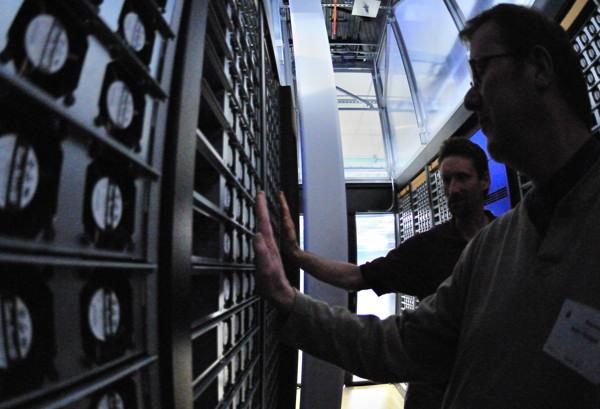
Data centers are not new. What's new is the scale and the speed. AI training and inference need vastly more power per square foot than the web hosting that came before, and the buildout has moved faster than the grid, the water permits, or local zoning could absorb.
The result is a genuine political phenomenon: in the first three months of 2026, roughly 75 US data center projects worth about $130 billion were blocked or delayed — matching the total for all of 2025 in a single quarter. The number of active opposition groups more than doubled from the end of 2025 and now spans 49 states.
By May 2026, at least 69 local governments had bans or pauses in place, and the moratorium movement had jumped from town boards to state legislatures in at least 14 states. Even Seattle — home to Microsoft and Amazon — passed a one-year pause affecting five proposed projects.
Water is raised in more than 40% of contested projects — the single most common objection. Evaporative cooling consumes water rather than merely borrowing it. A Meta facility in Newton County, Georgia has been reported using roughly 500,000 gallons per day — about 10% of the entire county's water use, with some newer permit requests running to several million gallons daily.
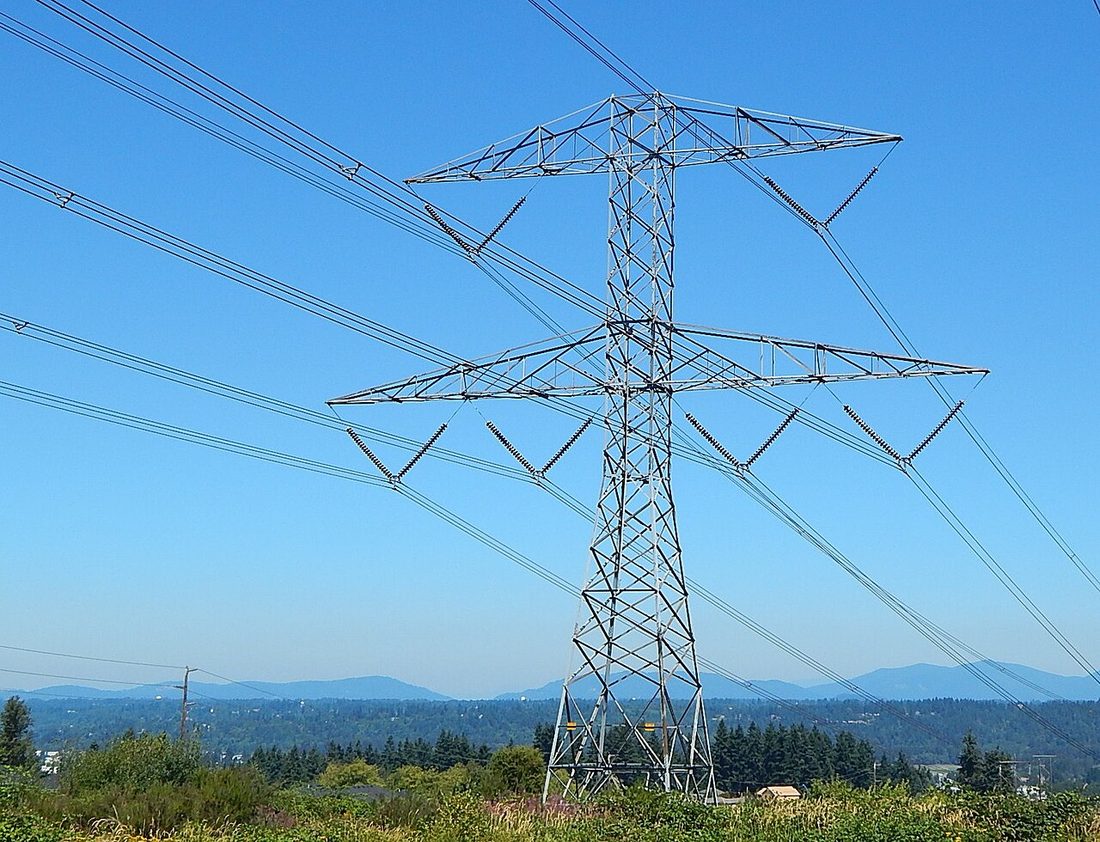
This is where it reaches your mailbox. PJM Interconnection's independent market monitor attributed 63% of the 2025/26 capacity-price increase — $9.3 billion in a single year — to data centers. Capacity costs flow through to retail bills across the thirteen-state PJM region. Meanwhile, interconnection queues in PJM territory have run to roughly eight years for new generation, and NERC has warned that large parts of the East Coast, Midwest and Pacific Northwest face potential shortfalls as soon as 2028.
Most states offer sales-and-use tax exemptions on data center equipment. The recurring local complaint is the ratio: enormous capital investment and tax abatement in exchange for a facility that, once built, may employ only dozens of permanent staff. Whether that trade is worth it is a legitimate local judgment — but it is frequently made before residents see the numbers, under non-disclosure agreements with the developer.
Where the buildout is concentrated, and what the local fight is actually about. Examples drawn from reporting, not a complete census.
Northern Virginia's "Data Center Alley" is the largest concentration on earth: 300+ facilities, roughly 13% of global operational capacity and about a quarter of the Americas'. Data centers now account for more than one in four kilowatt-hours consumed in Virginia, and a state-commissioned analysis projects data center demand could double statewide within a decade. Water-planning gaps in Virginia permitting are an active research and policy subject. This is also PJM territory, so the capacity-price effects land here first.
Georgia is the flashpoint: the Newton County water figures above, and legislation considered in the state Senate that would pause new data center development for a year from July 1, 2026. Texas combines an independent grid (ERCOT) with aggressive recruitment, making it the largest growth market and the one with the least federal reliability backstop. The Carolinas and Tennessee are absorbing spillover from Virginia.
Ohio, Indiana, Iowa and Illinois are the fastest-expanding secondary markets, drawn by land, existing transmission, and aggressive tax abatement. Ohio requires a consumptive-use permit for withdrawals above one million gallons per day in the Lake Erie watershed — one of the few places where water use hits a hard regulatory trigger. Utility rate cases here are where the "who pays for the substation" argument is being fought most explicitly.
Arizona hosts major campuses in a state with structural water scarcity; Arizona and California both require water-efficiency evaluation as part of siting. Community objections during drought periods have been documented across Arizona, California and Georgia. In the Pacific Northwest — cheap hydro, historically the industry's favourite region — Seattle's one-year pause is the signal event, and NERC lists the region among those facing potential shortfalls.
Less new construction, more conflict per project. High existing electricity costs, dense land use, and strong local review mean proposals face longer odds. The northern New England states are seeing early-stage proposals pitched around hydro and cold-climate cooling advantages.
This page moves fast and will go stale in places. If you have a county vote, a utility filing, a rate case, a water permit, or a correction from your area, send it in and it gets added with attribution. Last reviewed August 2026.