
Flock Watch
Automated license plate readers are now on ordinary American streets. Here's who runs them, who reads the data, and how to find the ones near you.
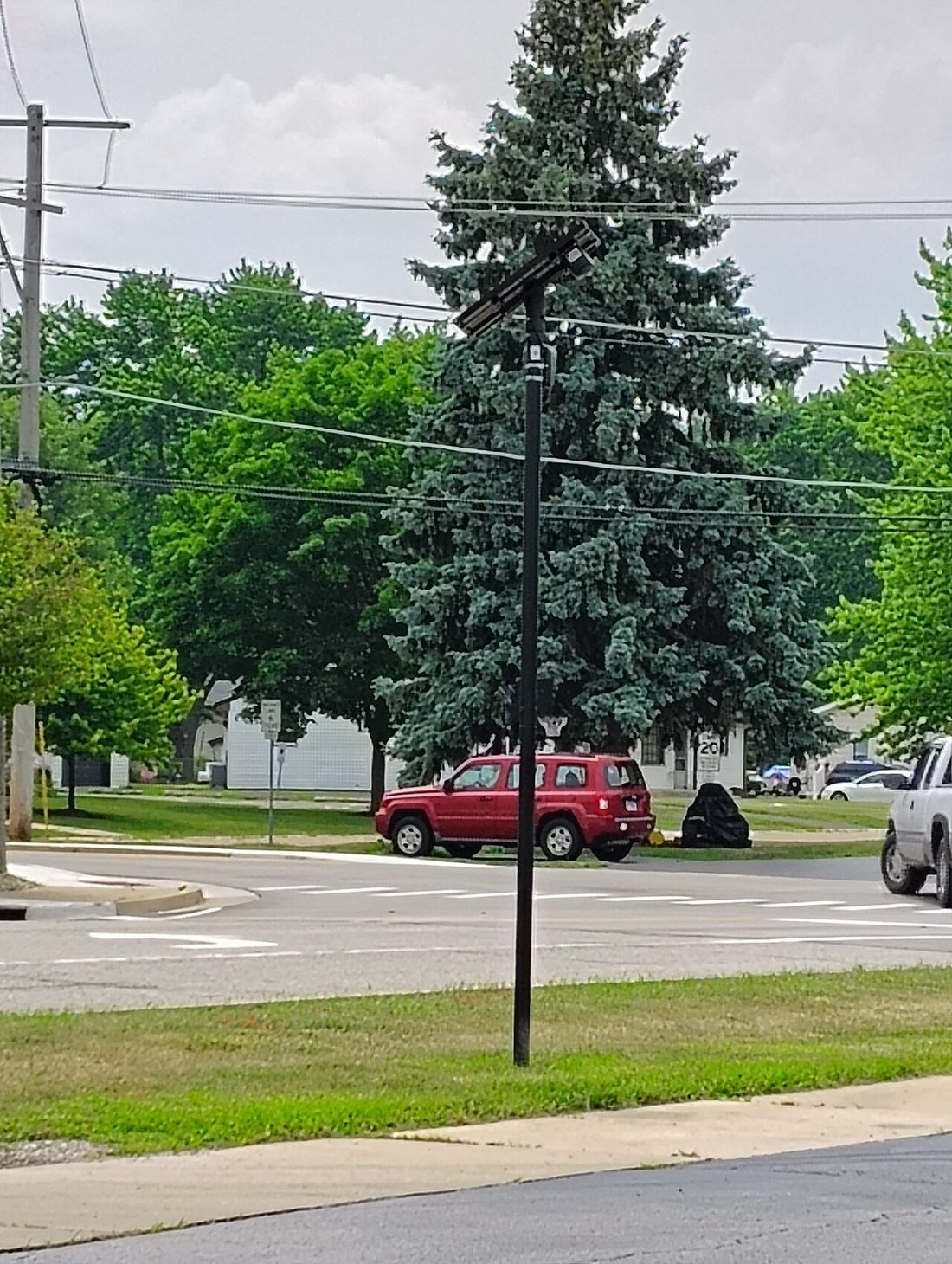
Flock Safety is an Atlanta-based company that sells automated license plate readers (ALPRs) — solar-powered pole cameras that photograph every passing vehicle, read the plate, and log the plate number, timestamp, location, and a "vehicle fingerprint" (make, colour, roof rack, bumper stickers, damage). Cameras are typically leased to police departments, city governments, and homeowners' associations on annual subscriptions.
The critical design detail: these cameras are not aimed at suspects. They record everyone, continuously, and hold the data — commonly 30 days by default, though retention varies by contract. Your movements are logged whether or not you are suspected of anything.
The second critical detail is network search. Many agencies opt into sharing, meaning a department in one state can query plate reads captured by cameras in another. That's what turns thousands of local camera networks into something closer to a national movement database.
The central controversy is not whether cameras exist. It's who queries the database and for what reason. Because Flock logs every search along with the officer's stated reason, those audit logs are obtainable through public records requests — and journalists, researchers and local officials have been pulling them.
Reviews of those logs have found local officers running searches that list reasons such as "ICE," "immigration," "CBP," or federal agency names — in some cases in states whose own laws restrict assisting federal immigration enforcement. Reporting on San Jose, California described records suggesting federal agencies obtained "side door" access through local departments.
In July 2026, the Los Angeles Police Department announced it would not renew its Flock contract, then within a week moved to renegotiate it with added privacy protections, after what officials described as serious civil-liberties concerns. A class action filed in California — amended April 3, 2026 — alleges Flock tracked millions of Californians' movements and unlawfully shared the data with out-of-state agencies. California legislators are debating restrictions.
Deployment and pushback are not evenly distributed. Below is where the documented activity sits, region by region. These are examples drawn from reporting, not a complete census — use the mapping tools further down to check any specific place.
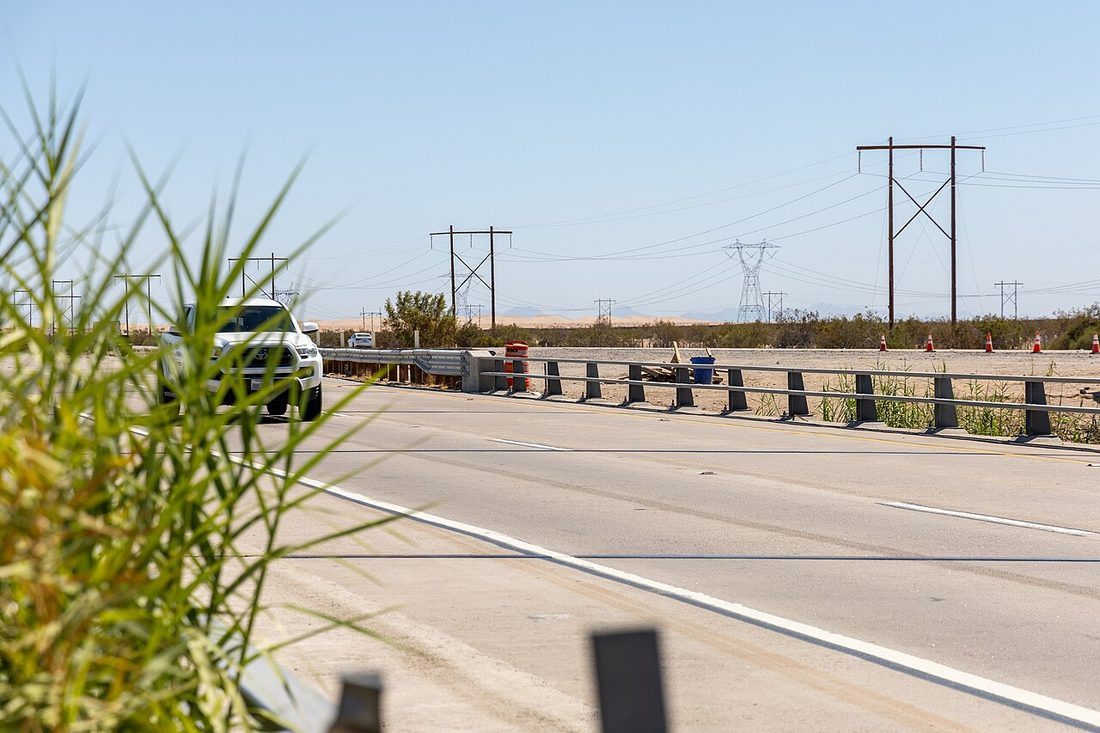
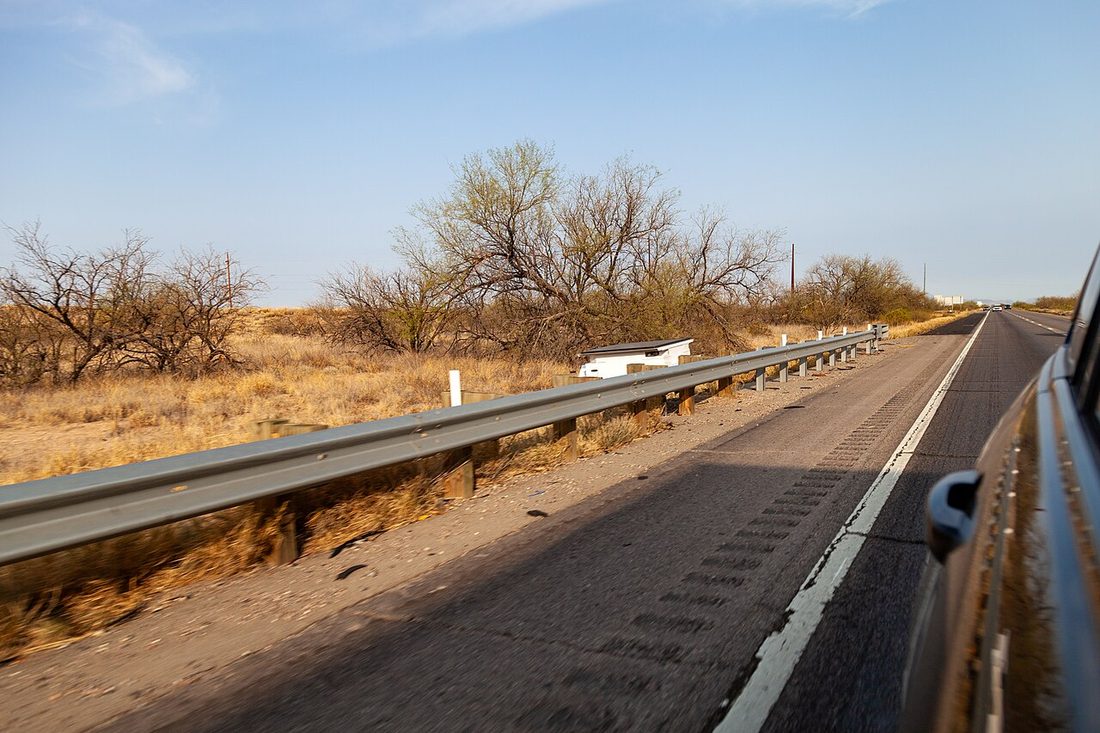
The most active legal and legislative front. California hosts the class action, an active legislative debate, the LAPD contract fight, and the San Jose audit-log reporting; Santa Cruz has pulled back. Flagstaff, Arizona and Eugene, Oregon are among the localities that deactivated cameras or cancelled contracts since January 2025. Arizona and California interstates also carry highway-level ALPR deployments separate from municipal ones.
Cambridge, Massachusetts is among the documented cancellations. New York City has one of the denser mapped concentrations, with independent mapping projects logging several hundred camera locations in the metro area. Northeastern states with sanctuary-type statutes are where the conflict between local ALPR sharing and state law is sharpest.
Pushback here has been driven more by city councils and local records requests than by litigation. Coralville, Iowa drew community objections over sharing its plate data. Illinois has been a focal point for disputes about whether plate data sharing complies with state limits on immigration-enforcement assistance. Ohio and Michigan suburbs show heavy HOA and municipal adoption.
The deepest install base and the least organised resistance. Flock is headquartered in Atlanta, and adoption across Georgia, Texas, Florida, Tennessee and the Carolinas runs heavily through both police departments and private neighbourhood associations. Notably, some of the strongest objections here come from the right — framed as warrantless tracking and government overreach rather than as a civil-rights issue.
Several independent projects map ALPR locations. Coverage is crowdsourced and therefore incomplete — an absence of pins does not mean an absence of cameras.
This is the part that actually matters. Anyone can do all four of these:
This page will be wrong in places — deployment changes weekly and much of the underlying data is crowdsourced. If you have a council vote, a cancelled contract, a released audit log, or a correction from your area, send it in and it gets added with attribution. Last reviewed August 2026.